GCOM-W1
三菱重工 · H-IIA 202 · 吉信发射综合体 LP-1
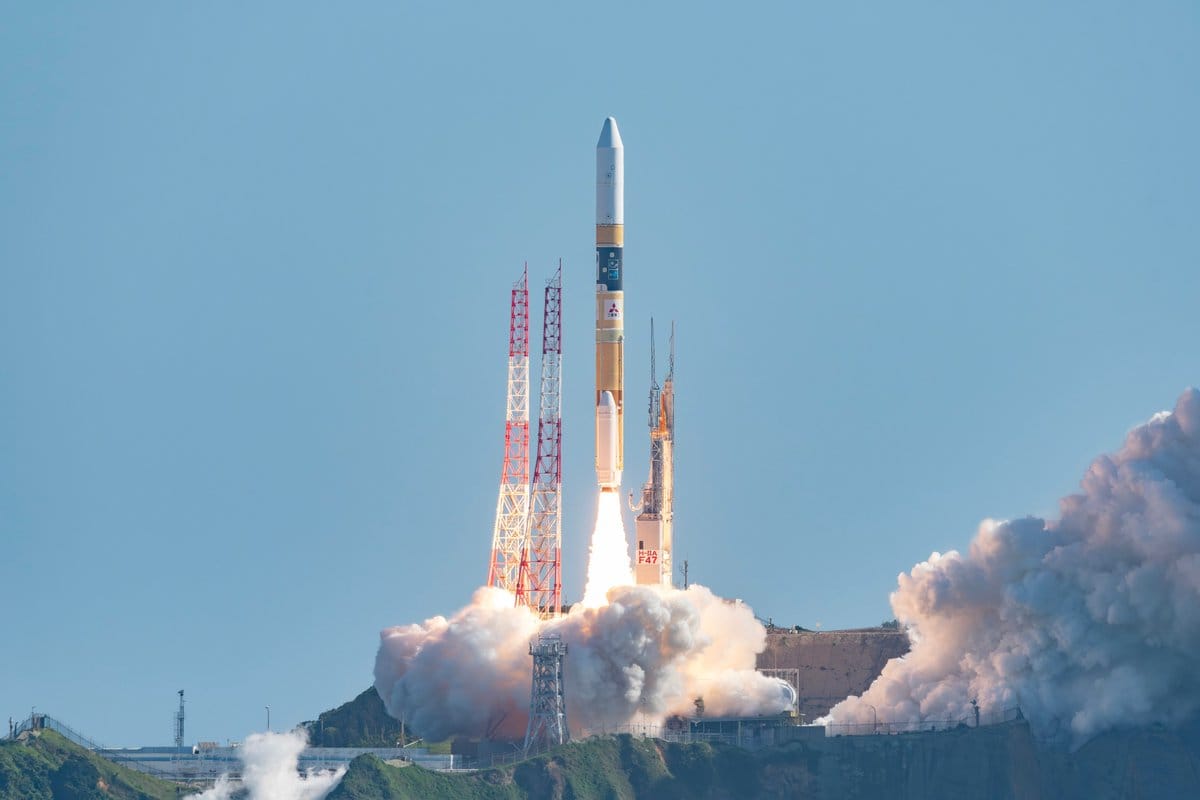
任务简介
GCOM-W(全球变化观测任务-水)或“水滴”卫星旨在构建、使用和验证能够连续进行全球尺度观测(10至15年)的系统,以获取有效的地球物理参数,用于阐明全球气候变化和水循环机制。水循环变化将由GCOM-W(水)卫星(计划于日本2011财年发射)上的微波辐射计观测。GCOM-W将观测降水、水汽量、海洋上空风速、海水温度、陆地水位和积雪深度。气候变化观测将由GCOM-C(气候)卫星(正在考虑中)上的多波长光学辐射计执行,观测云、气溶胶、海水颜色(海洋生物)、植被、雪和冰。这些卫星将使我们能够对地球表层(包括大气、云、陆地、海洋和冰冻圈)进行综合观测。 先进微波扫描辐射计2(AMSR2)是一种传感器,用于观测从地面、海面和大气自然发射的微波辐射,使用6个不同频段(7 GHz至89 GHz)。自然微波的强度由其特性和湿度决定,包括表面状况和物质温度。尽管取决于频率,微波非常微弱。AMSR2将在700公里高度探测这些微弱微波,并以极高精度测量其强度。例如,通过AMSR2测量海面发射的微波强度,可以了解海面水温,精度达到0.5摄氏度。
原文
The GCOM-W (Global Change Observation Mission - Water) or Shizuku satellite aims to construct, use, and verify systems that enable continuous global-scale observations (for 10 to 15 years) of effective geophysical parameters for elucidating global climate change and water circulation mechanisms. Water circulation changes will be observed by a microwave radiometer onboard the GCOM-W (Water) satellite (scheduled to be launched in Japan Fiscal Year 2011). The GCOM-W will observe precipitation, vapor amounts, wind velocity above the ocean, sea water temperatures, water levels on land areas and snow depths. Climate change observation will be performed by a multi-wavelength optical radiometer onboard the GCOM-C (Climate) satellite (under consideration) on clouds, aerosol, seawater color (marine organisms), vegetation, snow and ice. These satellites will enable us to perform comprehensive observations of the surface layer of the Earth such as the atmosphere, including clouds, land, oceans and the cryosphere. The Advanced Microwave Scanning Radiometer 2 (AMSR2) is a sensor to observe radiometers, or microwaves emitted naturally from the ground, sea surface and atmosphere, using 6 different frequency bands ranging from 7 GHz to 89 GHz. The strength of a natural microwave is determined by its characteristics and moisture, including the surface condition and temperature of the material. Although it depends on the frequency, the microwave is very weak. AMSR2 will detect such weak microwaves at an altitude of 700 kilometers and measure the strength of them with a very high accuracy. For example, by measuring the strength of a microwave emitted from the sea surface with the AMSR2, one can understand the water temperature of the sea surface to an accuracy of 0.5 degrees Celsius.
飞行时序 Flight Timeline0 节点
尚未公开飞行时序。
任务更新0 条
暂无任务更新。